Not Just Pita: How Miznon Taiwan Turns Simple Ingredients into Big Flavours
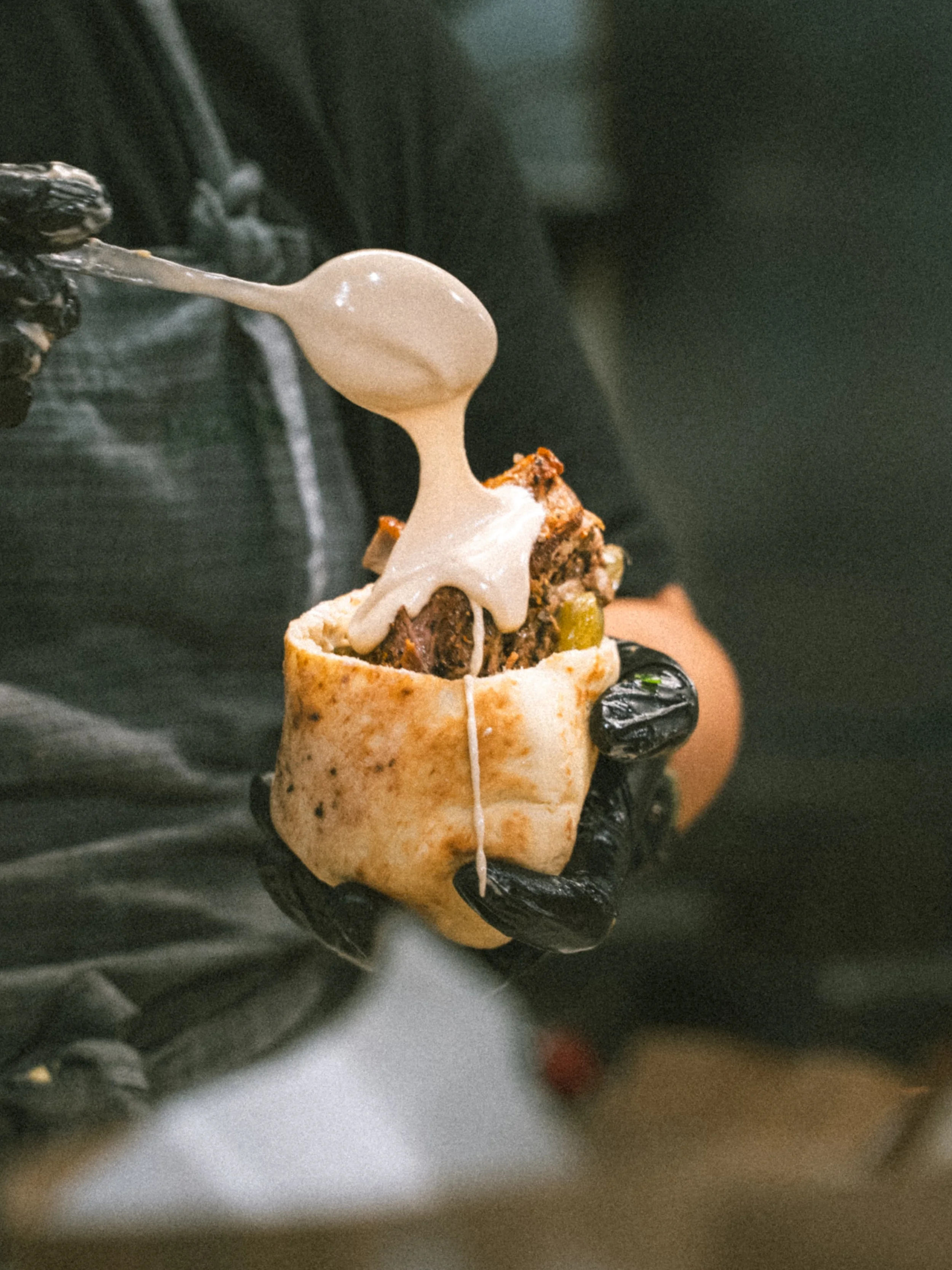
A closer look at how one Mediterranean restaurant lets vegetables, olive oil, and fire do the talking — and why that keeps diners coming back.
People often walk into Miznon Taiwan thinking they know what to expect.
Pita. Mediterranean street food. Something casual, maybe quick.
And while pita is very much part of the story, it’s only the beginning.
Spend a little time eating — and paying attention — and you realise that Miznon Taiwan isn’t built around a single dish.
It’s built around an idea that great flavour doesn’t need complexity, and that ingredients treated with respect will always outperform clever tricks.
This blog is for diners who want to understand why the food tastes the way it does.
Not in a technical, chef-y way — but in a way that helps you appreciate what’s happening on the plate, and why Miznon feels different from many other Mediterranean restaurant experiences.
Beyond the Pita: An Ingredient-First Philosophy
At Miznon Taiwan, pita is the vessel — not the message.
The real focus is on what goes into it and how those ingredients are treated.
The kitchen doesn’t start with recipes; it starts with produce. Vegetables arrive fresh. Herbs are tasted before they’re chopped.
Olive oil isn’t a finishing touch — it’s a foundation.
This approach comes from Israeli cooking traditions, where ingredients are often celebrated in their simplest form.
A tomato doesn’t need to be transformed to be special. An aubergine doesn’t need layers of technique to be memorable. What they need is care, heat, and restraint.
That mindset shapes everything at Miznon.
It’s why the menu doesn’t feel overloaded. It’s why flavours are bold but clear. And it’s why diners often leave thinking, “That tasted simple — but I can’t stop thinking about it.”
Vegetables That Aren’t Supporting Characters
One of the most surprising things for first-time diners is how central vegetables are to the Miznon experience.
Here, vegetables aren’t designed to balance out meat. They don’t exist as lighter alternatives or afterthoughts. They are cooked with the same intention and confidence as anything else on the menu.
A cauliflower is roasted until its natural sweetness deepens.
Mushrooms are cooked until their earthiness becomes rich and savoury.
Aubergines are treated almost like steaks — charred, softened, and allowed to collapse into their own flavour.
What makes this work is restraint. There’s no attempt to mask the ingredient. Seasoning is deliberate.
Sauces are used to support, not dominate. Fire is applied until the vegetable reaches its best expression — not a moment longer.
This is one of the ways Miznon redefines what people expect from a Mediterranean restaurant.
It quietly shifts the idea of what a “main” dish can be, and many diners end up rethinking vegetables entirely.
Tahini: More Than a Sauce
Tahini is often misunderstood. In many restaurants, it’s used sparingly — a drizzle here, a side there. At Miznon Taiwan, tahini is treated with respect.
Made from ground sesame seeds, tahini has depth, bitterness, creaminess, and warmth all at once.
When prepared properly, it’s not heavy — it’s balancing. It rounds out flavours. It softens heat. It connects ingredients.
At Miznon, tahini isn’t added for decoration. It’s used because it belongs. It pairs naturally with vegetables, meat, and bread, enhancing rather than covering their flavours.
Understanding this changes how you experience the food.
That creamy layer under a skewer or vegetable isn’t there to impress — it’s there to anchor the dish. And once you notice it, you start recognising how often tahini quietly holds everything together.
Olive Oil as a Core Ingredient, Not a Finishing Touch
Another element that defines Miznon Taiwan’s cooking is olive oil — not as garnish, but as structure.
In many kitchens, oil is treated as a neutral cooking medium. Here, olive oil is chosen for its flavour. It’s tasted.
It’s used generously, but intentionally. It carries aroma, richness, and character.
Olive oil connects the dots between ingredients. It helps vegetables caramelise. It softens herbs. It brings warmth to dishes without weighing them down.
This is classic Mediterranean thinking: olive oil isn’t optional. It’s essential.
When diners talk about why Miznon’s food feels satisfying but not heavy, olive oil plays a large role.
It delivers richness without excess — a key reason the food can be enjoyed often, not just occasionally.
Fire: The Quiet Hero of the Kitchen
If there’s one element that ties Miznon’s cooking together, it’s fire.
Fire is what transforms simplicity into depth. It brings sweetness out of vegetables, creates texture, and adds subtle smokiness that lingers long after the bite.
At Miznon Taiwan, fire isn’t used aggressively.
It’s controlled, intentional, and responsive. Chefs adjust heat constantly, reading the ingredients rather than following strict timing.
This relationship with fire is central to Israeli cooking traditions. It’s instinctive rather than technical — guided by sight, sound, and smell.
For diners, this translates into food that tastes alive.
You can sense the moment it left the heat. You can taste where it caramelised, where it softened, where it held its structure.
It’s another reason Miznon stands out as a Mediterranean restaurant that prioritises flavour over presentation tricks.
Why Simplicity Creates Stronger Flavour
There’s a misconception that complex dishes equal better food. Miznon quietly argues the opposite.
By limiting the number of components on a plate, each ingredient is given space to be noticed.
Flavours don’t compete; they support one another. Your palate isn’t overwhelmed — it’s guided.
This simplicity also creates consistency. When a dish relies on the quality of its ingredients rather than elaborate assembly, it can be reproduced with integrity day after day.
That’s why diners return.
They trust that what they enjoyed last time will still be satisfying — even if the exact expression shifts slightly with the season or availability.
In a city with endless dining options, this kind of reliability matters.
It positions Miznon Taiwan not just as a place to try, but as a Mediterranean restaurant worth returning to regularly.
Conclusion — Why It’s Never Just About the Pita
Pita may be the most recognisable part of Miznon Taiwan, but it’s not what defines the experience.
What defines Miznon is a commitment to ingredient-led cooking — vegetables treated seriously, tahini used with purpose, olive oil embraced fully, and fire applied with instinct rather than force.
This approach doesn’t shout. It doesn’t need to. Its impact is felt bite by bite, visit by visit.
For diners looking for a Mediterranean restaurant that values clarity over complexity and flavour over performance, Miznon Taiwan offers something rare: food that feels honest, thoughtful, and deeply satisfying.
And once you notice how much care goes into the simplest ingredients, it’s hard to stop paying attention.
FAQs
Is Miznon Taiwan mainly about pita?
Pita is important, but it’s just one part of a broader ingredient-focused approach to Mediterranean cooking.
What makes Miznon different from other Mediterranean restaurants?
Its emphasis on vegetables, olive oil, tahini, and fire — and the restraint with which these elements are used.
Is the food suitable for vegetarians?
Yes. Many of Miznon’s most celebrated dishes are vegetable-forward and built around produce.
Does Miznon use complex cooking techniques?
The techniques are simple but precise, relying on instinct, timing, and ingredient quality rather than heavy manipulation.
Why do people keep coming back to Miznon Taiwan?
Because the food feels satisfying without being heavy, and the menu encourages exploration without risk.